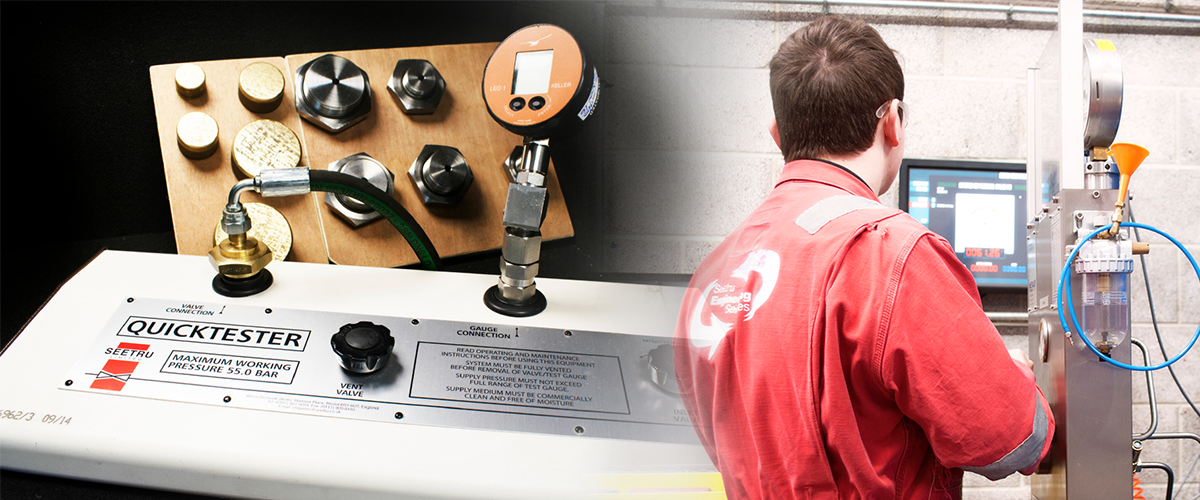
Safety Valve Testing Machine for Improved Maintenance Execution

Buying a safety valve testing machine is an investment in the safety of your people, site and pressure systems. That’s why it’s so important for it to match the requirements of your industrial site. Looking at your engineering team, they already have enough on their plate, competing for their time. Valve testing should support their maintenance work, not slow it down.

That means looking beyond pressure alone. Valve sizes, connections, test requirements and portability shape whether the machine suits your safety valves.

Get the fit wrong, and you could create delays or unnecessary spend. Get it right, and testing becomes easier to manage.

What Does a Safety Valve Testing Machine Test?

A safety valve testing machine applies controlled pressure to an isolated valve. It lets engineers check how the valve responds before returning it to service.

One key measurement is set pressure. This is the pressure at which the valve begins to open. Engineers compare that result with the valve’s required setting and allowable tolerance. If it opens too early or too late, further attention may be needed.

The machine can also check reseal pressure. This shows when the valve closes again as pressure falls. Poor resealing can indicate that further adjustment is required from your team, or specialist maintenance, repair or overhaul from Seetru Engineering Services.

Some test benches can also assess seat leakage. Others may offer digital recording, automated reporting or additional test functions. However, those capabilities vary considerably between machines. Bench testing assesses the valve under controlled test conditions. It does not automatically prove every aspect of the wider pressure system.

Before buying, make sure the machine can carry out the tests your maintenance team needs. Some teams may only need set and reseal pressure checks. Others may need leakage testing or more detailed test records.
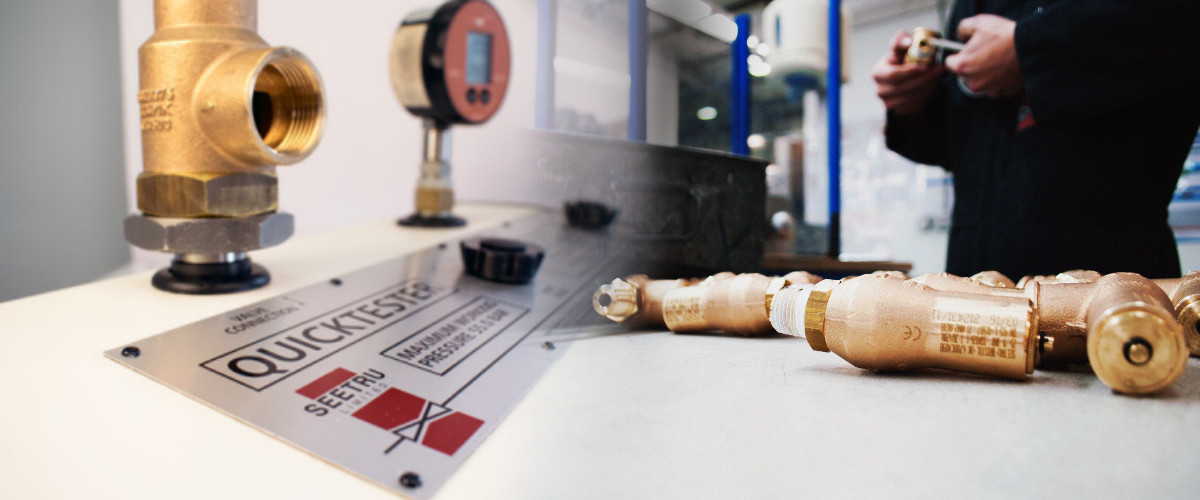
Close-up of brass valves and a Quicktester safety valve testing machine on a table with a person holding a valve in the background.

What to Check Before Buying a Safety Valve Testing Machine

A safety valve testing machine needs to fit your existing maintenance workload. Otherwise, investing in a machine that isn’t suitable can create more work for your engineering team. You could face incompatible valves, additional equipment costs or restricted testing capability. You may also lose time changing setups or outsourcing tests elsewhere.

Start with the valves your team regularly handles. Then match the machine around those requirements.

Pressure Range

Start with the set pressures across the valves you routinely maintain. A machine with insufficient pressure capability will immediately limit your testing options. However, buying far beyond your requirements may add unnecessary cost and complexity.

Look at your current valve range first. Then consider any known changes coming to your site. For example, planned equipment upgrades may introduce valves with different pressure requirements. Allowing for known future needs could prevent another investment later.

However, avoid adding capability purely because it sounds useful. Your machine should reflect realistic maintenance requirements.

Valve Sizes and Connections

A testing machine is of little use if your valves cannot connect to it. Make sure to review the valve sizes and connection types across your site. This becomes especially important when you maintain safety valves from several manufacturers.

You may find similar valves using different sizes or connection standards. Without suitable adaptors, your team could lose valuable maintenance time. That delay may also affect wider work on the pressure system. Check what the machine includes as standard before purchasing. Then review which additional adaptors the manufacturer can supply.

Also consider how easily your engineers can change between connections. Frequent testing can make a complicated setup frustrating very quickly. You want the process as straightforward as possible, as it decreases the potential for errors.

The aim is to cover your common valve range efficiently. You should not need an improvised solution every time something different arrives, within reason, of course.

Test Results You Need

Avoid paying for testing functions your maintenance programme does not require.

Some teams only need to verify set and reseal pressure. Others may require seat leakage testing or detailed electronic records. Your internal procedures can help define those requirements. So can inspection records and any applicable examination requirements. Then compare machines against that list. This prevents a long list of features from driving the purchase decision. Instead, your maintenance requirements determine which capabilities earn their place.

Also consider how engineers will record the results. Manual recording may suit some teams. Others may need digital reporting for easier traceability.

Pressure Supply

The machine still needs a suitable pressure source before your team can begin testing.

Check what supply your site already has available. Depending on the equipment, this could include compressed air or bottled gas. A machine that needs unavailable supporting equipment can increase the real purchase cost. It can also complicate where your engineers can use it.

If the listing is unclear, ask the supplier what pressure source the machine requires. Do this before placing an order. Then confirm your existing infrastructure can support it. Consumption can also become relevant during regular testing. An efficient setup may reduce the amount of test medium required. For mobile work, availability becomes even more important. Your engineers cannot assume every location offers the same utilities.

Where You Need to Use the Equipment

Think about where testing takes place during normal maintenance.

A dedicated workshop may have space for a permanent fixed test bench. Other environments may need equipment engineers can move between working areas. Space is only one consideration. Your team may also need to store, transport and set up the machine. A large, fixed bench can offer greater capability. However, that capability brings little value if your valves do not require it.

Portable equipment can offer greater flexibility for suitable valve sizes and pressures. It can also help teams working across several locations. However, portability should never override technical suitability. The machine still needs to cover your valves and required tests.

Once you understand these requirements, you can compare fixed and portable options properly.
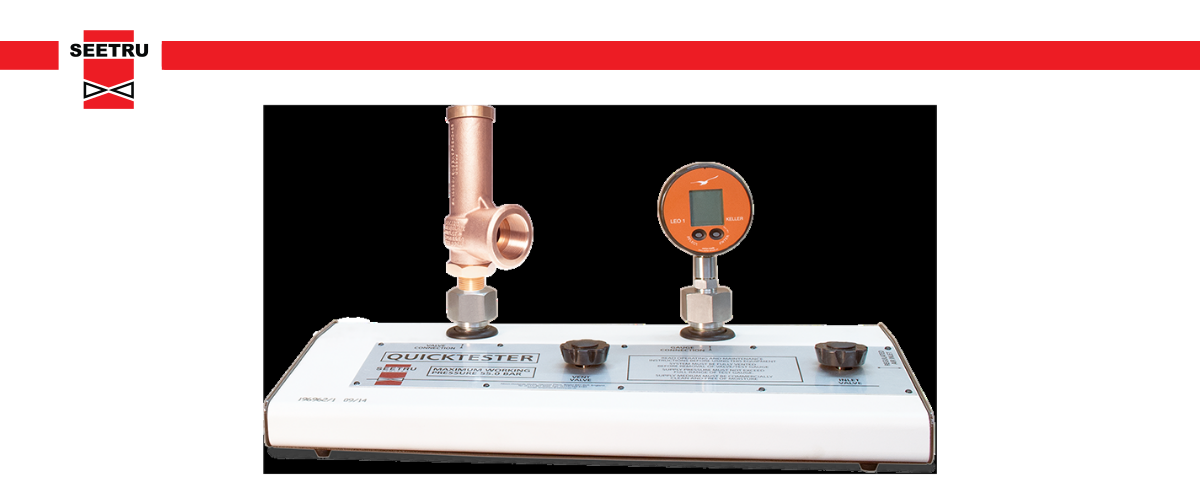
Seetru's Quicktester portable safety valve testing machine

Portable Vs. Fixed Safety Valve Testing Machines

The choice between portable and fixed equipment often comes down to workflow and valve size. Both can support effective valve testing when matched to the right environment and pressure equipment.

A fixed test bench can suit workshops with a steady testing workload. Engineers have one dedicated area for testing, recording results and handling repeat work. This can make frequent testing easier to organise across the maintenance schedule. Fixed systems can also support more advanced workshop processes. Depending on the model, that could include automated reporting or additional test functions. For teams handling larger testing volumes, those features may justify the investment.

Portable safety valve testing equipment offers flexibility in a different way. Your team can move the tester where the maintenance workload requires it. This can be useful when testing demand shifts between areas or locations, especially if you’re working across a large petrochemical or manufacturing plant, for example. A portable setup can also suit teams without a dedicated test bay. Instead of building the workflow around one permanent station, testing can fit around existing maintenance activity.

Ultimately, the best format should support how your engineers work and your site’s requirements. A fixed bench can strengthen a centralised testing process. A portable machine can support a more flexible maintenance setup.

The Seetru Quicktester for Portable Safety Valve Testing

If portable testing is the better fit for your site, the next question is capability. Portability only adds value when the tester can handle the valves you maintain, work with the utilities available and give your engineers useful results.

That’s where the Seetru Quicktester comes in. It supports set and reseal pressure checks up to 55 bar, for a wide range of elastomer-sealed safety relief valves. Giving your team and site a compact alternative to a permanent test bench. The equipment is limited to qualifying elastomeric seals only, as they are considered bubble-tight. The principle of the Quicktester is that we feed supply air through a very small flow area into the test equipment, and when the test valve discharges the same volume, a stable pressure will provide an accurate indication of the point on the gauge.

It can use plant-generated air or bottled gas as its pressure source. This gives sites more flexibility around the utilities already available. It also uses relatively little supply medium, which can be useful where bottled gas is the practical option. However, any supply air should be via a pressure regulator. Adjust this to supply 10% above the set pressure of the valve being tested to ensure an accurate indication of the test valve set pressure.

Connection flexibility can help reduce setup time between valves. Our safety valve testing machine comes with standard adaptors covering ¼ inch to 1 inch BSP connections, while further BSP adaptors are available up to 2 inches. Should you need NPT adaptors, they are available upon request. This gives one machine greater coverage across compatible threaded safety valves.

Of course, the Quicktester will not suit every safety valve. However, it can work alongside a fixed test bench when portability is needed elsewhere on site. If transporting a removed valve to a fixed testing area is impractical, a portable tester can give your team more flexibility. Valves above 55 bar will need another testing solution. Larger flanged valves may also require different equipment. Seat leakage testing or automated reporting may need greater capability too.

That does not make the Quicktester an alternative to every fixed bench. It gives your team another testing option where portability adds real value. Used alongside existing testing equipment, it can help you extend testing capability across more areas of your site.

Sunset view of a Petrochemical Industrial site with large storage tanks, tall chimneys, and distant mountains under a colourful sky.

What Happens If a Safety Valve Fails Testing?

A failed test does not automatically mean the valve needs replacing. First, your team needs to understand what caused the result.

If the valve opens too early, it may lift before protection is required. That can interrupt the process and release pressure unnecessarily. If it opens too late, the system may exceed its intended protection point. Resealing problems tell you something different. A valve may lift correctly but fail to close properly afterwards. That can lead to continued leakage, pressure loss or unwanted media release.

The valve’s physical condition can reveal further problems. Corrosion, damaged sealing surfaces or worn components may affect its performance. Engineers may only uncover some of these issues during inspection or overhaul. From there, the next step depends on what the valve actually needs. Adjustment may be enough in some cases. Other valves may need specialist maintenance, repair or overhaul before returning to service.

Our wider lifecycle support gives your team more than one route forward. We don’t only design and manufacture safety valves, change-over valves and auxiliary valves. Through Seetru Engineering Services, we also support maintenance, repair and overhaul across your valves’ lifecycle.

Our SES technicians are ASME certified and ready to help you with valve inspection, maintenance, repair and overhaul. This gives your team a cost-effective option where replacement may be avoidable. However, should repair or overhaul not be suitable, we can support you with replacement too. Be it through us here at Seetru, or through LESER UK, depending on what you require. If your safety valve testing machine shows that something is wrong, your team has a clear route from further assessment to repair, overhaul or replacement.

Find the Right Safety Valve Testing Equipment for Your Site

You should not have to piece together suitability from product specifications alone. Before investing, speak to us about the valves your team handles.

Share the valve types, connections, and testing requirements you work with. We can also discuss your existing setup and how our safety valve testing machine fits into your valve maintenance. The more context you can provide, the better we can assess how the Quicktester could support your team. Part of that assessment is your valve sealing arrangement, as the Quicktester is designed for soft-seated safety relief valves and isn’t suitable for metal-to-metal seal valves.

If it suits your requirements, we can help with the complete setup. That may include additional adaptors, pressure gauges or other optional equipment. The Quicktester may also complement equipment you already have. For example, a fixed bench may remain your main workshop setup. A portable tester can then support work elsewhere across the site.

If the Quicktester does not suit a particular requirement, tell us that too. We can discuss the options available rather than forcing one solution onto every valve. Our goal is to help you find a safety valve testing machine that supports your maintenance work and site requirements.

Take a closer look at the Seetru Quicktester for portable safety valve testing.

FAQs

What UK Regulations Apply to Pressure Relief Valve Testing Equipment?

Pressure equipment supplied in Great Britain may fall under the Pressure Equipment Safety Regulations 2016. The Pressure Systems Safety Regulations 2000 may also apply to qualifying pressure systems and their protective devices.

Where required, a Written Scheme of Examination must cover the relevant protective devices and specify the nature and frequency of examination. Testing equipment such as the Quicktester can support those checks where its capabilities suit your requirements, but it does not replace your site’s regulatory responsibilities.

The Quicktester is manufactured under a quality management system compliant with ISO 9001, a globally recognised standard for quality management. This means its manufacture follows controlled and documented processes designed to support consistent quality.

How Often Should Safety Valve Testing Equipment Be Calibrated?

There is no useful one-size-fits-all calibration interval for every testing setup. The interval should reflect the equipment, usage and required accuracy. UKAS guidance recommends considering manufacturer instructions and relevant test standards. Previous calibration performance and equipment stability can also influence the interval.
Frequent use, suspected damage or unstable results may justify earlier checks. Your quality procedures may also set specific calibration requirements.

Can You Rent a Portable Safety Valve Tester?

Rental can suit short-term projects or occasional testing requirements. Availability will depend on the manufacturer or specialist equipment provider. For regular testing, ownership can give your team more control over when testing happens.

You are not relying on hire availability, booking windows or equipment arriving when maintenance is already underway.
That can help reduce delays during planned maintenance or shutdown work. It also means your engineers can become familiar with one testing setup, rather than adapting to different hired equipment each time.

If shutdown preparation is already part of your maintenance planning, you may also find our article on Don’t Gamble with Contractors for Your Annual Shutdown Maintenance useful. If safety valve testing is part of your routine maintenance workload, purchasing equipment such as the Quicktester may offer a more practical long-term option.
Choosing Hydrogen Gas Valves For Your Pressure System

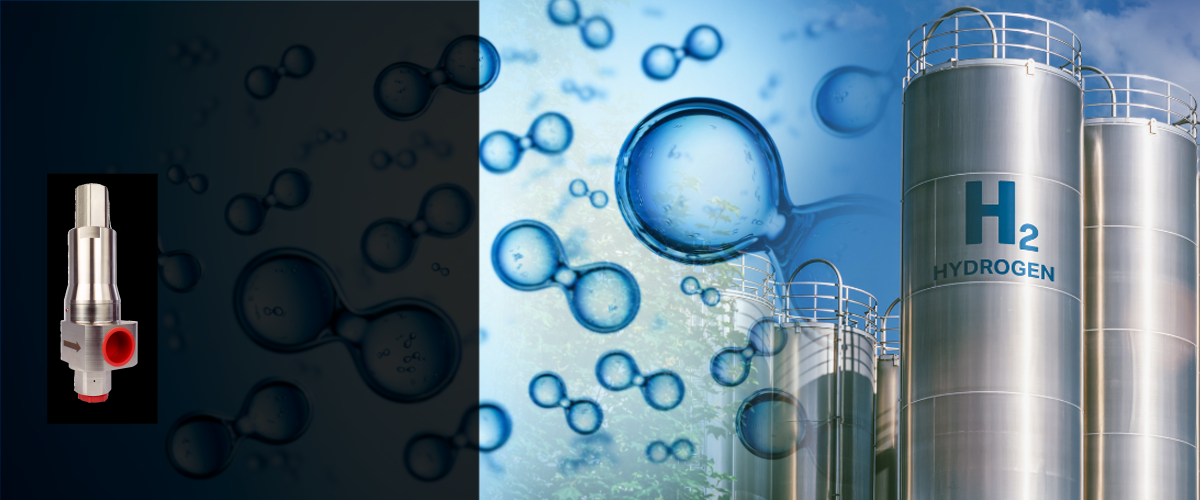
Hydrogen systems are growing in the United Kingdom and across the globe, from hydrogen production sites to refuelling stations and fuel cell system projects. Depending on the project, a key part of each system are hydrogen gas valves. Choosing the right valve helps reduce leak risk and keep the system within its required operating conditions.

There are challenges that come with the use of hydrogen. One of them being if hydrogen leaks and mixes with air, it can ignite from a small spark, hot surface or other ignition sources. A road transport incident in Japan in September 2025 showed how serious a hydrogen-related emergency can become. A lorry carrying compressed hydrogen cylinders overturned, a fire developed, and the highway was closed for 11 hours. Unfortunately, the exact role of the hydrogen cylinders was reported as unclear. The incident shows why hydrogen systems, storage, transport, valve selection and emergency planning need careful consideration.

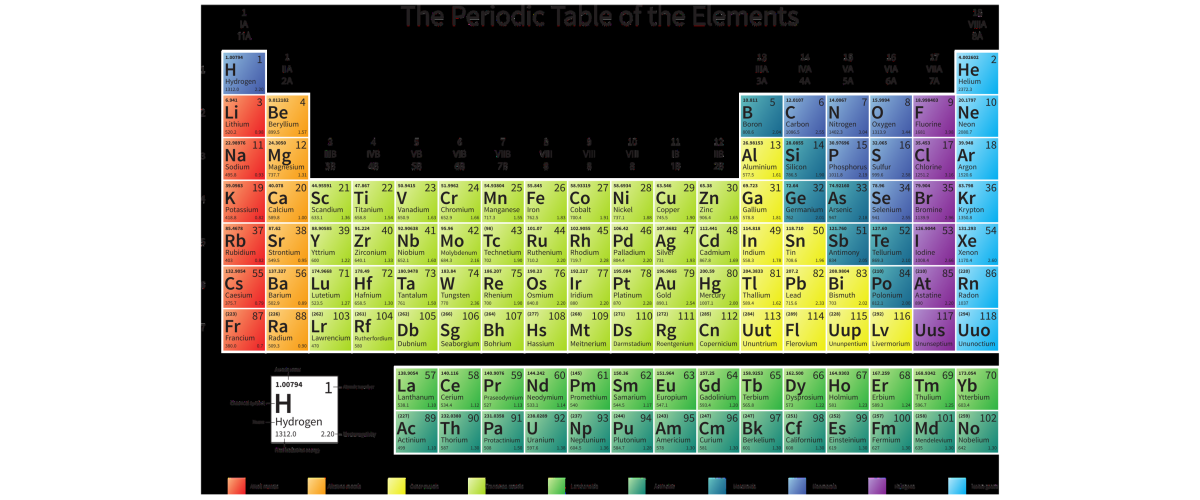
The Periodic Table of Elements

Why Hydrogen is Difficult to Contain

When it comes to containing hydrogen, its molecules are extremely small and the gas spreads quickly. This makes it easier for hydrogen to escape through very small gaps around connections, seats, seals, packing and fittings. This is why a valve that works well with another gas may not seal as well when used with hydrogen. So, how do manufacturers conduct their phased testing of valves for hydrogen gas applications in a safe manner?

Well, helium is often used for leak testing because it is non-flammable and can help show very small leaks in leak detection tests. Saying that, helium testing does not mean the valve is automatically suitable for hydrogen. The valve still needs to be checked against the pressure, temperature, materials and working conditions of hydrogen systems. Which is why hydrogen valve selection needs to look beyond the valve type. Think about the body material, wetted parts, sealing design, connection method and test evidence. They are all important when investing in a valve to install in pipework or pressure systems that work with hydrogen.

Materials for Hydrogen Service

Hydrogen can damage some metals through a process called hydrogen embrittlement. Basically, hydrogen can get into susceptible metals and make them less able to cope with stress. This, in turn, means the metal can lose toughness, crack more easily, and once a crack starts, hydrogen can penetrate it and can contribute to crack growth.

That’s why such risk must not be ignored for valve parts that come under load or are exposed to hydrogen. Such as stems, springs, seats and other wetted parts.

First, look at the valve body and the parts that come into contact with hydrogen. For example, many hydrogen systems use stainless steels such as 316 or 316L, as seen in our High-Pressure Safety Relief Valve. In particular, these materials usually offer better resistance to hydrogen embrittlement than many carbon steels. However, material suitability still depends on the pressure, temperature, stress level and working conditions of the system.

Ask your valve supplier what the hydrogen-facing parts are made from, not just the valve body. Stems, springs, seats, and other internal parts all need to be suitable for hydrogen service.

Next, look at soft parts such as seals and packing. These should be rated for the pressure, temperature and medium purity of the system. For cold systems, check the low-temperature rating. Similarly, for high-pressure systems, check extrusion resistance and leak performance.

Material choice also links to the valve’s duty cycle. Therefore, if a valve opens and closes many times a day. It may need different seat materials, stem design and sealing arrangements from a valve that stays open for long periods.

Transporting hydrogen gas

How a Valve Controls the Flow

A simple way of explaining this is that a valve controls the flow by opening, closing, or restricting the passage. Some valves are built for switching between parallel safety valves, such as change-over valves. These allow one safety valve to be taken out of service for maintenance while the other remains available, without shutting down the process. Some valves are for fine control, and some for one-way protection. Subsequently, matching the valve type to the job is part of making the pressure system safe to work with. 

Common Valve Types and Where They Fit

  • Isolation valves (on/off): A typical use of hydrogen ball valves is for quick shut-off. They suit lines where you need full-bore flow with low pressure drop.
  • Fine metering: Hydrogen needle valves tend to be used where you need small, steady changes to the flow of hydrogen gas. They suit sampling, purge lines, and instrument runs.
  • Backflow protection: Hydrogen check valves allow flow in one direction and block reverse flow. They are commonly used between compressors, storage banks and other parts of the pressure system where backflow needs to be prevented.
  • Automatic shut-off and sequencing: Direct-acting solenoid valves provide fast on/off control in smaller lines. Pilot-operated solenoid valves suit applications where the line size or pressure drop calls for a different design.
  • Modulating control: A control valve is used where you need to hold a set pressure or flow under changing demand. This matters in hydrogen production skids, blending, and some fuel cell system balance-of-plant layouts.

Valves Around Storage Tanks and High-Pressure Banks

Storage tanks and high-pressure banks need layers of protection. Your design may include:

  • Shut-off valves to isolate sections for service or emergency response.
  • Non-return protection using hydrogen check valves to stop reverse flow between banks.
  • Pressure control using regulators or a control valve to manage set points.
  • Overpressure protection using a pressure relief valve sized for the worst-case event.

A pressure relief valve is not a flow control device; it’s a safety device. Set pressure, discharge path and vent location all need review. Moreover, relief systems need a suitable discharge location, with hazardous areas, personnel exposure and ignition sources considered as part of the system design.

Design Points that Reduce Leaks

  • Seat and stem design: Look for designs that give tight shut-off at your full pressure range.
  • Connections: Use fittings and threads rated for hydrogen and the pressure class. Assembly method matters as much as the parts.
  • Surface finish and tolerances: Hydrogen needs good machining and clean sealing faces.
  • Cleanliness: Keep oil, dirt, and tape fragments out of the system. Contamination can damage seats and cause leaks.
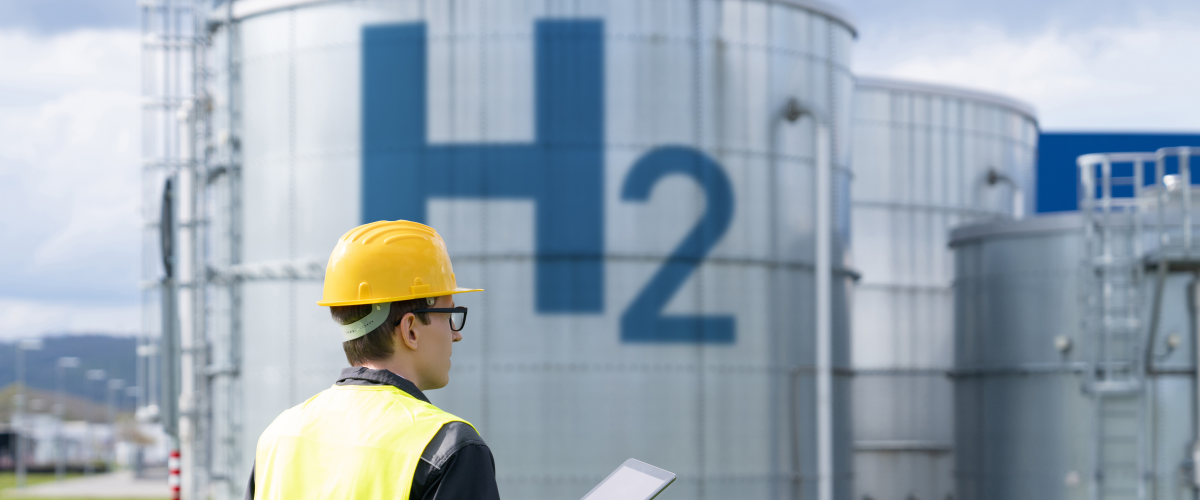
Man in hard hat and high visibility jacket working on a hydrogen site

Standards, Hazardous Areas, and Site Rules

For hydrogen projects, your team must follow the site rules, pressure equipment requirements and hazardous area controls that apply to the installation location.

That’s why you must assess any area where hydrogen could mix with air and create an explosive atmosphere before selecting equipment. This may include hazardous area zoning, such as Zone 0, Zone 1 or Zone 2 for gases, depending on how likely an explosive atmosphere is and how long it could remain present.

In the UK, DSEAR sets the workplace requirements for managing explosive-atmosphere risks. Suppliers and installers must also check that equipment for potentially explosive atmospheres meets the product marking and certification requirements for the market they supply or install it in. When you look at Great Britain, this may include Ex marking and the appropriate CE or UKCA conformity marking, depending on the product and certification route. Other markets may have different requirements, including ATEX requirements within the EU, IECEx or other local Ex approvals.

Any equipment used in a hazardous area needs to be suitable for that environment. This includes electrical parts such as valve coils, positioners, limit switches and wiring near vents or possible release points. Your team should also assess mechanical equipment that could create an ignition risk. Select valves whose materials, pressure and temperature ratings, sealing arrangements and test evidence demonstrate suitability for the intended hydrogen service. Ask for evidence of pressure rating, leak tests, material suitability and temperature range where possible. Make sure the valve datasheet matches the pressure, temperature, material, leak testing, approval and site requirements for your project.

Maintenance and Checks

Hydrogen systems need planned inspection because leaks can be small but still create risk in enclosed areas. Therefore, your team should carry out the following checks or ask a company like Seetru Engineering Services to conduct them for you to be on the safe side and get accurate feedback:

  • Leak testing: Use approved leak detection methods for hydrogen. Document results and track trends.
  • Torque control: Follow the maker’s limits on stem packing and bolts. Over-tightening can damage seals and raise leak risk.
  • Cycle testing: For valves that switch many times, check wear and response time. This includes direct-acting solenoid valves and pilot-operated solenoid valves.
  • Spare parts: Keep seats, seals, and coil kits that match the exact valve build.

Quick Selection Checklist

To begin, define the role the hydrogen gas valve needs to perform, the conditions it will work in and the safety requirements around the system, as these details should guide the rest of the selection process.

Check material compatibility, sealing design, leak test evidence, hazardous area needs and overpressure protection. Use the downloadable checklist for a quick review of the main points to consider across hydrogen storage, transfer, refuelling and fuel cell systems.

Please note that this Hydrogen Valve Selection Checklist is for general guidance purposes only and should be used as a starting point. You should check final valve selection against your system design, site rules, valve datasheet, supplier documentation and applicable regulations.

Final Thoughts…

Preparation matters in most areas of life. It matters even more when you are choosing equipment that supports the safety of your team, site and pressure system.

When you are investing in a hydrogen gas valve, your valve supplier needs to understand what the valve must do and the conditions it will work under. That includes the pressure system, pipework, medium, connection type, flow rate, temperature, installation location and any hazardous area requirements.

The clearer this information is at the start, the easier it is for your supplier to recommend hydrogen gas valves that match your system, safety requirements and working conditions.

Get in touch with us to discuss your hydrogen gas valve requirements.

FAQs

What are the essential safety features for hydrogen service valves?

Select your hydrogen service valve for the pressure, temperature, flow rate and duty cycle of the system. Key safety features include hydrogen-compatible body and wetted-part materials, suitable seals and packing, tight shut-off performance, pressure-rated connections and evidence of leak testing. Don’t forget to ask your supplier for test certificates.

For automated systems, check whether the valve needs fail-safe shut-off, position indication, suitable electrical certification and compatibility with the site’s hazardous area classification. In high-pressure hydrogen systems, check valves, excess flow valves, shut-off valves, pressure relief valves and flow control valves may all form part of the wider pressure system and pipework.

How do hydrogen gas valves work in fuel cell systems?

In a hydrogen fuel cell system, hydrogen gas valves control hydrogen supply, isolation, pressure regulation and purging. A shut-off valve stops hydrogen flow when the system is off or when the control system detects a fault. Pressure regulators and control valves help manage the hydrogen pressure entering the fuel cell stack. Check valves help prevent reverse flow, while purge valves help remove residual hydrogen, water or inert gas from parts of the system.

In a proton exchange membrane fuel cell, the system supplies hydrogen to the anode side of the stack, where a catalyst splits the hydrogen molecules into protons and electrons. The fuel cell then uses that reaction to produce electricity, with water as the main by-product. Depending on the valve type, it plays a role in keeping the hydrogen supply stable, controlled, and isolated.

What are the key considerations for selecting a hydrogen fuel cell valve?

When selecting a hydrogen fuel cell valve, start with the job the valve needs to do. A shut-off valve, check valve, purge valve, pressure regulator, proportional control valve and pressure relief valve all have different roles in the system.
The main selection points are pressure rating, temperature range, hydrogen compatibility, leak-tightness, flow capacity, response time, cycle life, electrical specification and connection type. The valve materials should be suitable for hydrogen service, including the body, wetted parts, seat, stem, and seals.

For fuel cell systems, space, weight, power consumption and response time can also matter, especially in vehicle or mobile applications. If the system uses electrical components near hydrogen, check the site or system hazardous area requirements and make sure the valve suits the operating environment.

A good hydrogen fuel cell valve should support safe isolation, stable pressure or flow control, low leakage and stable working performance for your pressure system.

Your Safety Relief Valve Manufacturer for Liquid, Gas and Steam 

Choosing a safety relief valve manufacturer involves more than comparing pressure ratings or product specifications. You’re selecting equipment that must protect your pressure systems, your team, and the surrounding environment. Often in dynamic and demanding working conditions. 

The challenge grows when different pressure systems use different media. Liquids only compress ever so slightly, compared to gases. Steam brings heat, pressure, and temperature changes into the mix. Each application places different demands on the valve. 

Managing multiple valve types across one site can also create more work for your team. More valve types can mean more spare parts to hold, more maintenance knowledge to retain, and more training to manage. 

Some safety relief valve ranges can support multiple applications, helping simplify long-term pressure system management. In this post, we’ll look at what to consider when choosing a safety relief valve and a safety relief valve manufacturer. We’ll also cover how liquid, gas, and steam affect valve selection, and how the LGS and LGS Hi-Flow range can reduce unnecessary complexity across your site.

Select the Right Safety Relief Valve Manufacturer for Different Applications 

So, you know your pressure system and your application needs. The next question is who the right safety relief valve manufacturer is to help you with your valve selection requirements.    

A safety relief valve supplier should be able to help you choose a valve suited to your system and the medium. Not leave you guessing between pressure ratings, materials, flow requirements, and maintenance needs.   

That support becomes even more valuable over time. Safety relief valves may need inspection, servicing, spare parts, or refurbishment throughout their service life. Working with a manufacturer that can support those needs means you have a direct route for help when your equipment needs attention.   

Seetru brings over 75 years of design, engineering, and manufacturing experience. Alongside almost 30 years of servicing through Seetru Engineering Services. That means you can speak to us about valve selection, spares, maintenance, repair, and overhaul. No need to waste time searching for another business to service your pressure equipment.

LGS and LGS Hi-Flow valves for liquid, gas and steam applications by the safety relief valve manufacturer Seetru.

How the LGS Valve Range Simplifies Pressure Equipment Management 

Every additional valve range introduced onto a site brings another set of spare parts, maintenance procedures, and product knowledge for your team to manage. Over time, that can make routine maintenance more complicated, increase the number of parts held on site, and require engineers to become familiar with several different valve designs.  

Launched back in 2016, the LGS range came to be to reduce complexity where possible. Rather than requiring different valve ranges for liquid, gas, and steam applications, the range supports all three media. This gives your engineers greater flexibility when selecting safety relief valves while helping standardise the equipment used across different pressure systems.  

Using the same valve range across suitable applications brings benefits beyond installation. Maintenance teams become familiar with one valve design, making inspections and day-to-day maintenance more consistent. New engineers and technicians have fewer valve types to learn, helping reduce training requirements and making onboarding simpler.   

The benefits extend to spare parts too. Save space by not having to stock multiple valve types from different manufacturers. Furthermore, the easy-to-fit spare parts kits that come with the LGS and LGS Hi-Flow valve range help simplify future maintenance. Enabling your engineers to replace common wear components without replacing the entire valve.   

All the above combined with technical support from us and MRO services through our Seetru Engineering Services branch. You can simplify your pressure equipment management with the LGS range. From valve selection through to long-term maintenance and refurbishment.

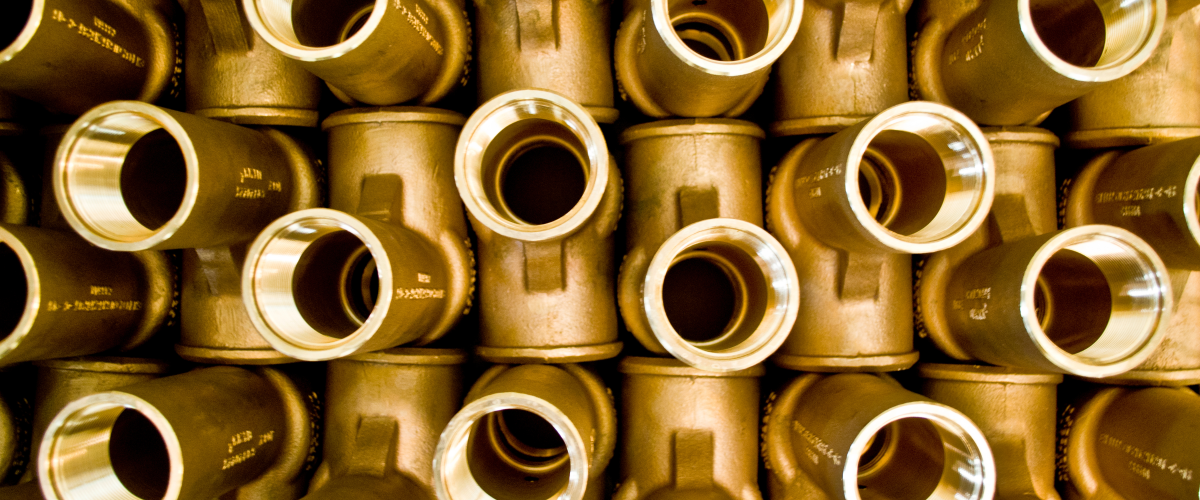
Stacked valves with threaded openings, arranged in a repeating pattern.

The LGS and LGS Hi-Flow Safety Relief Valve Range 

The LGS range has been designed to protect pressure systems containing liquid, gas, and steam media. As a result, the LGS range is suitable for applications including:  

  • Hot water systems
  • Steam boilers and steam plants
  • Process liquids and gases
  • Heat exchangers and industrial cooling systems
  • Solar power systems
  • Sewage systems  

and more.   

For applications that require higher discharge capacities, the LGS Hi-Flow safety relief valve provides the same pressure system protection while allowing a greater volume of liquid, gas or steam to be discharged during pressure relief.  

The LGS safety relief valve range includes a spares kit to support maintenance. The kit focuses on the sealing and disc assembly. Giving your team the key parts needed to replace common wear components, reduce replacement costs, and save money over the long term. 

The kit includes:  

  • A seal
  • Plunger/disc
  • Ball
  • Retainer
  • Starlock clip
  • O-ring.  

Allowing common wear components to be replaced without the need to replace the whole valve or send the valve away for repair. However, if you’d prefer your valve to be maintained, repaired or overhauled by ASME-qualified and experienced pressure equipment engineers. Our Seetru Engineering Services team can support you with what you need.

LGS Safety Relief Valves for Liquid Applications 

Pressure systems carrying liquids respond differently to rising pressure because liquid undergoes very little reduction in volume as pressure increases. If that pressure is not relieved, it can quickly place excessive loads on pumps, pipework, vessels, seals, and other pressure equipment.   

A safety relief valve protects the system by opening at its predetermined set pressure and discharging enough liquid to prevent pressure from continuing to rise. Once the system returns to a safe operating pressure, the valve closes again, allowing normal operation to continue.   

The LGS range is well suited to liquid applications because it is designed to provide consistent overpressure protection across a wide range of operating conditions.

LGS Safety Relief Valves for Gas Applications 

Gas systems, such as compressed gas applications, carry a different type of risk because gases compress under pressure. As pressure rises, energy builds inside the system. If that pressure is not controlled, the release can be fast and forceful, creating risk for people, pipework, vessels, and nearby equipment.  

This is why gas applications need careful valve selection. The type of gas, set pressure, temperature, flow requirement, and discharge route can all influence which safety relief valve is suitable. A compressed air system, for example, will not always have the same requirements as a natural gas or hydrogen system.  

LGS Safety Relief Valves for Steam Applications 

Steam applications introduce another challenge because the medium is both pressurised and at a high temperature. As steam moves through a pressure system, temperature, expansion, and changing operating conditions all influence how the system performs. Without suitable overpressure protection, these conditions can place additional stress on your boilers, pipework, pressure vessels, and associated equipment.  

Selecting a steam safety relief valve means considering more than pressure alone. Working temperature, required discharge capacity, and the valve materials all play a role in long-term performance and protection of your team and pressure system.  

The LGS and LGS Hi-Flow ranges are suitable for steam applications, with the Hi-Flow range available where higher discharge capacities are required. Giving you greater flexibility when selecting a valve while keeping the benefits of using the same valve range across multiple pressure systems.

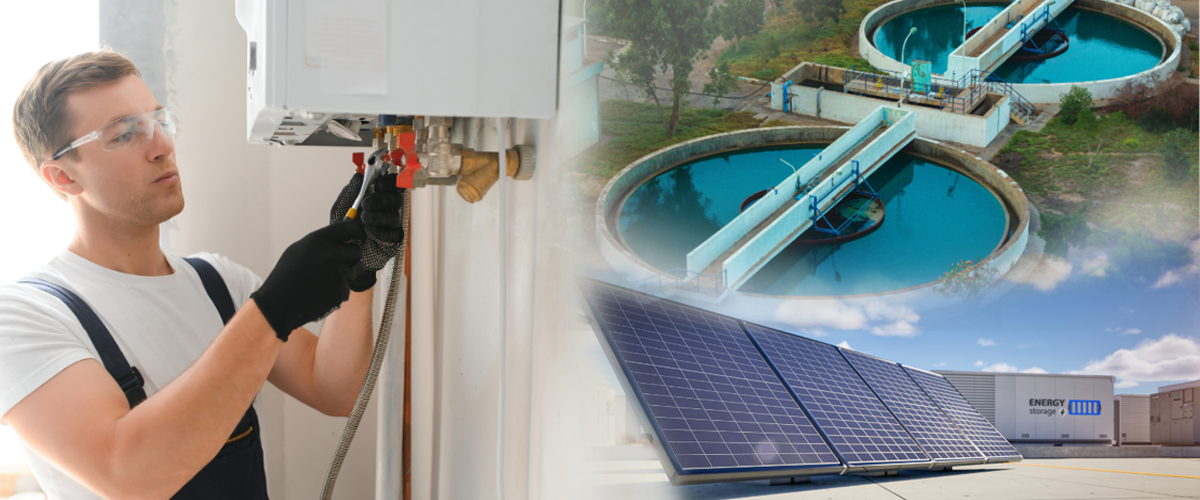
Man repairing a boiler, water treatment facility, and solar panels with energy storage system under blue sky.

A Safety Relief Valve Range Built with Your Site in Mind 

When it comes to investing in safety, the product is only one part of the equation. The team behind it, who designed it, manufactures it, and supports it throughout its service life, is just as important.   

As an experienced safety relief valve manufacturer, we don’t just supply valves. We’re there by your side every step of the way. From helping you find the right valve or gauge for your system to providing replacement parts and supporting your equipment through inspection, maintenance, repair, and overhaul when needed.   

That means you have one point of contact throughout the life of your pressure equipment. Whether you need technical advice before or during installation, or support from our Seetru Engineering Services team. You don’t need to go through the rigmarole of finding another manufacturer and a separate pressure equipment MRO provider.   

We’ve been supporting pressure systems worldwide for over 75 years, and we’re here to support yours too. 

Final Thoughts… 

Too many valve ranges can create more work than your team needs.   

More spares to manage, more procedures to remember, more training to cover. In the end, the risk increases for something to slip through the cracks. 

The better outcome is a valve range your team can become familiar with across different applications. One that helps simplify selection, maintenance, spares, and long-term management.    

That’s where the LGS and LGS Hi-Flow range fits. Designed for liquid, gas, and steam pressure systems, with spares, servicing, and support available from one experienced safety relief valve manufacturer.    

Instead of juggling multiple valve ranges across your site, you can streamline your setup where possible. Building more consistency into the way your team manages safety across your site. From selection to long-term maintenance, we are here to help you protect your people, pressure systems, and your investment.

FAQs

What are the key considerations for selecting a safety relief valve?

Selecting a safety relief valve starts with the pressure system it will be fitted to and its surrounding environment. For example, a valve installed in a marine environment will need materials suited to withstand corrosion risks.

You also need to consider set pressure, working temperature, required discharge capacity, the medium in the pressure system, material compatibility, and any approvals or standards required for your application. Maintenance access, servicing and spare parts should also form part of the decision.   

What industry standards apply to safety relief valve manufacturing in the UK? 

Safety relief valves supplied in the UK are commonly manufactured in line with the Pressure Equipment Safety Regulations 2016. Depending on the market and application, other recognised standards and approvals may apply, including PED for Europe, ASME, ISO and AD 2000. The exact requirements depend on the valve, pressure system, working conditions, and where the equipment will be installed.   

How often should safety relief valves be inspected or serviced?  

There is no single service interval for every safety relief valve. Inspection and servicing frequency depends on the application, working conditions, medium, manufacturer guidance, and your site’s maintenance schedule.  
 
However, do make sure to conduct regular checks as they help identify wear, damage, or changes in the condition of the valve. This helps you decide whether the valve is suitable for continued operation or if it needs maintenance.