
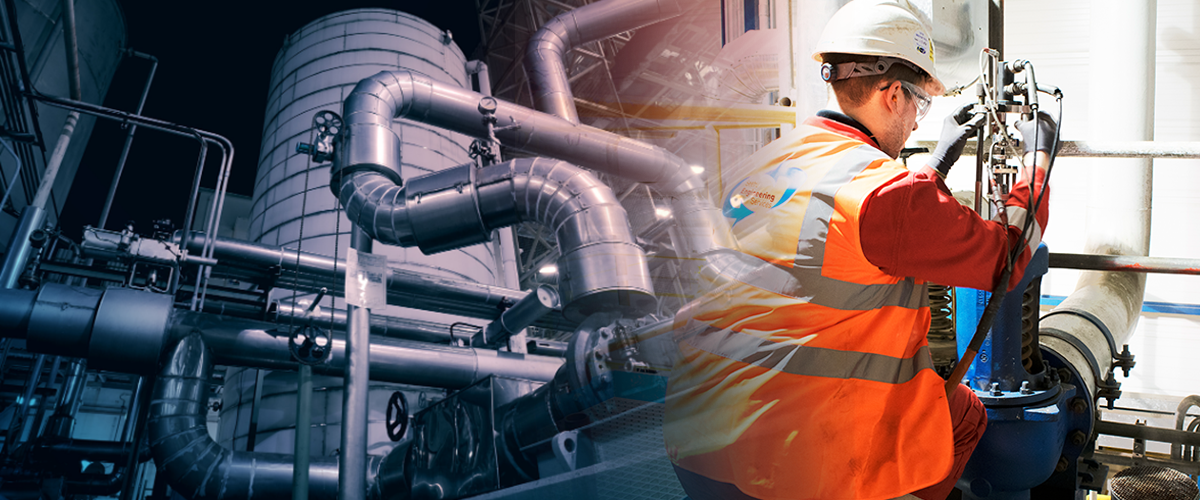
One of the most stressful periods for any engineering team is during the annual shutdown maintenance season.
From the defence industry and paper mills to industrial plants and data centres. Your site faces pressure to complete inspections, repairs, and maintenance within tight timeframes.
The challenge is not only completing work on time; it is knowing whether the contractors you bring on site understand the operational history, including your pressure systems and the equipment within them. Are they aware of other risks that could affect how well your systems start back up again? And how they perform long after your annual shutdown maintenance ends?
Why Annual Shutdown Maintenance Is High Risk
Annual shutdown maintenance compresses months of inspections, repairs, testing, and maintenance work into a short outage window. During that period, the pressure on your engineering team is high. The responsibilities of coordinating contractors, isolating systems, managing safety procedures, inspecting pressure equipment, approving repairs, and preparing systems for restart. All this often happens at the same time.
That pressure creates risks across the entire site.
A delay in one area can affect multiple workstreams elsewhere. If inspections overrun, contractors may lose access to isolated systems. What if replacement parts arrive late? All that planned work can become reactive work in a split second. If the shutdown maintenance scopes change halfway through the outage. It forces your team to make decisions under pressure while the restart deadlines continue getting closer.
Systems that may not have gone through testing and inspection during the previous maintenance window may face additional pressures. Some components and equipment only become accessible once the equipment is isolated, opened, or stripped down.
This is often when your team uncovers:
- Temporary repairs still going on
- Asset records that no longer match site conditions
- Equipment nearing the end of service life
- Failures with no long-term fix
- Damage hidden behind insulation, pipework, or valve assemblies
- Inspection gaps from previous shutdown periods.
The risk increases further when contractors are unfamiliar with the operational history of the site. Without previous inspection records, known failure points, maintenance history, or system-specific knowledge. Contractors can miss warning signs that affect restart performance later.
This is one reason annual shutdown maintenance becomes far more complex than your standard maintenance schedule. It becomes a period where judgment, preparation, contractor competence, and asset knowledge all influence how well the site works after all systems are back up and running.
Where Your Annual Shutdown Maintenance Can Go Wrong
Unfortunately, annual shutdown maintenance can go wrong at different stages in the process. In some cases, engineering teams may work from outdated engineering asset records, incomplete inspection documentation, or maintenance plans that no longer match the condition of your site. It creates gaps in the scope of your maintenance plan long before contractors even set foot on your site.
That isn’t all, contractors can also struggle when sites fail to provide information about what they need done. Think about your pressure systems, previous failures, temporary repairs, or equipment that is showing signs of wear. If that information isn’t at hand, your team and contractors lose valuable time. As they will be trying to understand what needs doing, instead of carrying out the maintenance works within the allocated schedule.
Poor coordination between contractors can create further problems during your annual shutdown maintenance window. One delay from one team can impact different work areas across your site. If one contractor overruns on inspections or equipment removal for refurbishment or overhaul. It can prevent other teams from accessing systems on time.
Shutdown maintenance can also go wrong when teams focus too much on getting everything restarted as fast as possible. Without reviewing the pressure system and equipment condition. In some cases, you end up with site equipment that is showing repeated signs of minor failures. Team members may apply a temporary fix, unfortunately, this can have serious consequences. It can lead to a team member forgetting to add it to the maintenance list when the next annual shutdown maintenance plan is being put together. These things can lead to further shutdowns and additional repair work months later. By that point, it might become an overhaul or outright replacement job for that system or equipment, stretching your budget further.
Want to understand what can affect your annual shutdown maintenance cost and how better planning can help you build a smarter budget? We cover that in more detail here.
Something you should be aware of is the incomplete inspection coverage during your maintenance window. Some contractors only inspect the equipment you have listed within the original shutdown plan. They may not flag surrounding issues such as signs of corrosion, damaged steam traps or valves outside of the planned work list.
It is during such events that contractor experience becomes important and clear. Contractors with extensive maintenance shutdown experience do not only complete the maintenance tasks on the list you give them. They understand how not only the pressure systems and equipment on the list impact how your site starts back up. Even systems and equipment that aren’t on that list impact your site. This is why technicians from contractors like Seetru Engineering Services will be on the lookout for anything that sticks out that may not be up to scratch. All your systems and equipment impact not only your site’s restart performance, but also future maintenance planning and your pressure equipment service life.
It’s always good to maintain some form of balance and a realistic time schedule for your annual shutdown maintenance plan. Some sites do create risks by trying to condense too much work into a single shutdown window. Expanding your shutdown maintenance scope without adjusting labour, access planning, inspection time, or replacement part availability and delivery. All these things can have a snowball effect and place more pressure on your team and increase the likelihood of rushed decisions.
In some cases, annual shutdown maintenance fails because teams treat the outage as a short-term maintenance exercise. Instead of an opportunity to conduct the appropriate asset condition assessment, review pressure system history, and long-term equipment performance.

What to Look for Before Choosing Your Contractor
Choosing a contractor for your annual shutdown maintenance goes beyond labour availability or pricing. The contractor you bring on site should understand how shutdown work affects not only the pressure equipment that needs attention. They also need to be aware of the wider performance of your pressure systems and connected assets.
One thing worth looking at is sector experience. Contractors who work across industries such as defence, industrial processing, paper manufacturing, data centre and general industrial sites. They often understand the working pressures and requirements from different legal bodies that come with these environments. As sites within these industries, and others, can’t afford repeated shutdowns, extended restart delays, or poor maintenance traceability.
Documentation standards are so important for your annual shutdown maintenance. Contractors should be able to provide clear inspection findings, maintenance records, testing results, and repair information. That way, your engineering team can use them for future shutdown planning, general maintenance and site audits.
You should also ask a potential contractor about how they manage communication and escalation during shutdown periods. Delays in reporting further issues, approving repairs, or sourcing replacement parts can place further pressure on the shutdown schedule.
Another important area is shutdown preparation. Experienced contractors often ask detailed questions before arriving on site. They may ask for things like:
- Asset information
- Past inspection records
- Isolation procedures
- Previous shutdown findings
- Known operational concerns.
Those questions help them understand the condition of your site and systems before they get there, allowing them to plan ahead.
Be cautious of contractors who cannot demonstrate recognised accreditations to support their work. Look for industry approvals from bodies such as Lloyd’s Register (LRQA), Zurich, and SafeContractor. Another warning sign is if they ask very few questions before shutdown work starts, as it can create risk later on. However, that can only be truly judged depending on the conversations that you’ve had previously. In some cases, it may suggest they are relying on a generic maintenance approach instead of understanding your systems, pressure equipment, and the demands of your site.

How to Plan Your Annual Shutdown Maintenance Before the Season Starts
The earlier your team starts preparing for annual shutdown maintenance, the more control you will have once the shutdown window begins. Leaving planning too late often creates pressure around contractor availability, replacement parts, inspection schedules, and access to your systems.
One of the first things your team should review is the maintenance scope. That includes identifying which systems require inspection, refurbishment, overhaul, testing, or replacement during the shutdown period. It also helps your team prioritise equipment that has shown signs of wear, repeat faults, or reduced performance since the previous shutdown.
Your asset records should also be reviewed before they are sent to contractors and before they arrive on site. Outdated records, incomplete inspection reports, or undocumented modifications can slow maintenance work down.
Many sites also benefit from preparing a shutdown evidence pack before the outage begins. This can include:
- Asset registers
- Inspection reports
- Isolation procedures
- Previous shutdown findings
- Replacement part information
- Pressure system and equipment documentation
- Known equipment issues & temporary repairs that have been implemented.
Providing contractors with this information early gives them a clearer understanding of your industrial site before work starts.
Shutdown preparation should also include realistic scheduling. Some maintenance tasks take longer once systems are opened, stripped down, or inspected. Building contingency time into the shutdown schedule can help your team work with contractors to manage unexpected findings without placing unnecessary pressure.
Contractor coordination also plays a major role before shutdown season starts. If multiple contractors are working across the site, your engineering team should understand:
- Access requirements
- Isolation responsibilities
- Inspection plan alignment
- Equipment dependencies
- Removal and reinstatement schedules.
Without proper coordination, contractors can block access to systems other teams still need to inspect or repair.
Replacement parts and specialist equipment should also be reviewed before the shutdown begins. Waiting until systems are dismantled before sourcing components can create delays that affect the wider maintenance schedule.
The best shutdown plans do not only focus on getting work completed within the outage window. They also prepare the site for future maintenance supported by traceable records, a better understanding of your equipment’s condition, and long-term pressure system performance after restart.
Final Thoughts…
Poor annual shutdown maintenance can leave teams dealing with the same problems year after year. The same valves return to the work list with temporary repairs in place longer than planned. Engineering asset management falls behind, creating a snowball effect that impacts the condition of your site. Work that could have been completed the first-time round, turns into repair work months later.
Good annual shutdown maintenance leaves your site in a stronger position for the months ahead. Your teams return to systems with fewer unknowns, fixed issues, clear documentation, and a better understanding of which pressure systems and equipment may need attention before the next shutdown. This is, of course, very dependent on the life stage of your equipment, which is why engineering asset management plays such an important role.
The goal is not to just complete maintenance work within the shutdown window. It’s to help your site restart without a hitch, where possible. Stop it from carrying temporary repairs into the future and give your teams more confidence in the condition of their pressure equipment moving forward.
With support from experienced contractors such as Seetru Engineering Services, your teams gain access to pressure system and pressure equipment maintenance, refurbishment, overhaul support, inspections, and long-term engineering asset management support. This will help you and your team during future shutdown periods as they become easier to plan and manage.
FAQs on Annual Shutdown Maintenance
Industrial plant shutdown operations involve multiple safety procedures before maintenance work can begin. Teams often need to isolate systems, release stored pressure, shut down equipment, and plan control access to restricted work areas.
Permit-to-work systems, lockout and tagout procedures, confined space controls, and contractor communication all help reduce risks during annual shutdown maintenance.
Before restarting, teams should also review inspection findings, maintenance records, and testing results. Pressure systems and pressure equipment should return to service in the correct working condition before your site is restarted.
Predictive maintenance strategies help sites discover equipment problems before they lead to further shutdowns down the line, endangering your teams’ lives, or cause production issues. Teams can use inspection reports, testing results, maintenance history, and equipment condition data to spot signs of wear earlier.
Annual shutdown maintenance also gives sites the opportunity to inspect pressure systems and pressure equipment that may not be accessible during normal operation. That information can help teams plan refurbishment, overhaul work, and future maintenance schedules before equipment condition becomes a bigger problem.
Over time, predictive maintenance strategies can help reduce unexpected repair work, improve shutdown planning, and support long-term engineering asset management across your site.
Yes, Seetru Engineering Services supports annual shutdown maintenance projects across the whole of the United Kingdom.
Our teams support pressure system and pressure equipment maintenance, inspections, refurbishment, overhaul work, shutdown support, and engineering asset management across many industries.
That includes industrial processing sites, paper mills, utilities, defence sites, manufacturing facilities, data centres, and more. You can find out more about Seetru Engineering Services here and discover the approvals we hold here. We’ll be ready when you contact us.